Scuptra
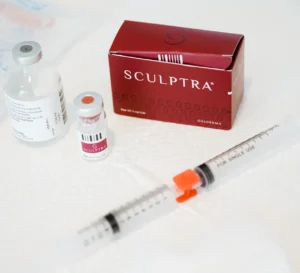
Sculptra is not just another filler. Sculptra is a biostimulatory aesthetic injectable that helps stimulate your own natural collagen production to smooth facial wrinkles and improve skin tightness, revealing a refreshed-looking you
Who is it for?
After age 20, you lose about 1% of collagen per year.7 Sculptra is the first and original FDA-approved poly-L-lactic acid (PLLA-SCA) facial injectable that targets fine lines, wrinkles, sagging, and other signs of aging due to collagen loss, gradually helping restore skin structure and volume.1,
Ideal for those looking to:
Reduce deep and fine wrinkles
Restore facial volume
Improve contours
Treat lipoatrophy (fat loss), especially related to HIV
How long does it last?
Results can last over two years, though maintenance treatments may be needed.
Procedure Overview:
Before: Medical consultation to assess health, goals, and treatment plan.
During: Injection with minimal discomfort using a fine needle or canula; numbing cream may be applied.
After: Resume normal activities, avoid strenuous exercise for 1–2 days. Minor bruising or swelling may occur.
Safety and Side Effects:
Sculptra is FDA-approved and safe, but mild side effects may include:
Swelling or bruising
Itching or tenderness
Lumps under the skin (rare)
Recovery:
Quick recovery; most people return to daily routines immediately.
Sculptra vs. Other Fillers:
Sculptra: Boosts collagen gradually for long-lasting results.
Juvéderm®: Provides instant volume using hyaluronic acid.
Radiesse®: Uses calcium-based microspheres to fill and stimulate collagen.
Muscle Relaxing Injections – Botox®
Botox plays a significant role in our medical care, and its effectiveness is always backed by a medical reason for treatment. Whether it’s addressing frown lines caused by tension headaches, migraines, or squinting, or counteracting facial sagging and collagen loss along the jawline from excessive teeth clenching, Botox can improve your appearance, enhance your well-being, and help prevent these issues from worsening.
What is Botox?
Botox is a well-known brand of botulinum toxin injections. Botulinum toxins are neurotoxins that impact nerves and cause muscle relaxation. You might receive botulinum toxin injections for cosmetic or medical reasons. Healthcare providers inject small amounts of Botox into specific muscles to reduce wrinkles, prevent migraine headaches, and address a range of other health conditions.
How does Botox work?
Botox blocks nerve signals to muscles, preventing them from contracting (tensing up). These effects are temporary, lasting several months. The muscle targeted depends on the main area of concern, and multiple areas can be treated in one session.
What cosmetic conditions can Botox treat?
Botox injections are used cosmetically to reduce signs of ageing by smoothing fine lines and wrinkles in areas such as:
• Eyebrows
• Forehead
• Nose
• Eyes (crow’s feet)
• Lips
• Chin
• Jawline
• Neck
What medical conditions can Botox treat?
Botox has been used for decades in medical treatments, and may be recommended for conditions such as:
• Crossed eyes (strabismus)
• Excessive muscle contractions (dystonia)
• Excessive sweating (hyperhidrosis)
• Eyelid twitching
• Chronic migraines
• Overactive bladder
• Paediatric upper limb spasticity
• Adult spasticity
• Blepharospasm
• Cervical dystonia
Can Botox help relieve pain?
Yes. Many healthcare providers use Botox to manage pain. By blocking nerve signals that control muscle activity, Botox can relax muscles and alleviate pain. It is sometimes used to treat:
• Back pain
• Neck pain
• Jaw pain
• Nerve pain
• Sciatica pain
• Neuropathy (peripheral neuropathy)
• Pelvic pain
• Chronic myofascial pain (CMP)
• Osteoarthritis
• Joint pain
• TMJ pain
What is Botox made of?
The neurotoxins used in Botox are produced by a bacterium called Clostridium botulinum. Healthcare providers use a specific type (Type A) of this bacterium for medical injections. Botulinum toxins are found naturally in soil and contaminated foods. When consumed in large quantities, or if the bacteria infects a wound, it can cause botulism, a serious condition affecting breathing. For safety and efficacy, Botox is lab-produced, where the toxins are diluted and sterilised to prevent botulism.
Is Botox safe?
Botox is generally safe when administered by a licensed healthcare provider.
Procedure Details
How should I prepare for Botox?
Ensure your provider has a current list of any medications and supplements you take, as some can increase the risk of bruising at the injection site. These include anticoagulants or blood thinners (such as Warfarin) and nonsteroidal anti-inflammatory drugs (NSAIDs). Alcohol also increases the risk of redness and bruising, so it’s advised not to drink for 24 hours before your procedure.
What should I expect during Botox treatment?
A fine needle is used to inject small amounts of Botox into the target area. You may receive several injections at different points, depending on your needs. Here’s what to expect during the procedure:
• You’ll be able to return home the same day.
• Discomfort is typically mild; the injections may sting or cause slight discomfort, but the procedure is brief. A topical numbing cream can be applied beforehand if desired.
What should I know about Botox aftercare?
• Avoid rubbing or putting pressure on the treatment area for 12 hours.
• Remain upright for three to four hours post-treatment.
• Refrain from intense physical activity for 24 hours.
How often should you get Botox?
On average, Botox effects last about three to four months, and retreatment is usually advised at this point. Over time, however, the treated muscles may learn to contract less, allowing longer intervals between treatments. Your provider will guide you on the optimal treatment frequency based on your specific needs.
Risks / Benefits
Are there any Botox side effects?
Side effects of botulinum toxin injections vary depending on the treated area. Most are mild and resolve within a day or two. Potential side effects include:
• Pain, swelling, redness, or bruising at the injection site
• Flu-like symptoms
• Headache
• Neck pain
• Upset stomach (indigestion)
• Temporary drooping eyelids (ptosis)
• Eye irritation or redness
Who should avoid Botox injections?
Botox injections are generally safe, though you should avoid treatment if you are pregnant, breastfeeding, or have:
• Neuromuscular disease
• Drooping eyelids (ptosis)
• Weak facial muscles
Recovery and Outlook
How long does Botox take to work?
Most people notice desired effects within three to four days post-treatment, with full results visible within 10 to 14 days.
How long does Botox last?
The effects of Botox typically wear off in three to six months, after which muscles regain movement, and issues such as wrinkles, migraines, or sweating may return. To maintain results, you may choose to have additional injections.
When should I contact my practitioner?
Though Botox rarely causes serious side effects, you should seek medical attention immediately if you experience:
• Vision issues, such as blurred vision or drooping eyelids
• Trouble swallowing
• Slurred speech
• Numbness or paralysis in an untreated area
• Severe stomach upset
Additional Common Questions
Does Botox hurt?
Botox injections use very small needles, so most people experience minimal discomfort. Some describe a light pinching or stinging sensation. If you are concerned about pain, your practitioner can apply a numbing gel beforehand.
Can you get Botox while pregnant?
While Botox is unlikely to harm a baby, most providers recommend waiting until after giving birth before having treatment.
Can you get Botox while breastfeeding?
It is uncertain whether Botox enters breast milk, so most providers advise against treatment while breastfeeding to ensure safety.
Are there other types of botulinum toxins?
There are several brands of botulinum toxin injections, each suited to different conditions. Your healthcare provider can recommend the best option for your needs.
What should I know about Azzalure vs. Botox?
Both Azzalure and Botox are botulinum toxin injections, but they differ in the potency of their trace proteins. Azzalure may yield faster results, whereas Botox may offer longer-lasting effects. Consult your practitioner to help decide which treatment is best for you.
What’s the difference between Botox and dermal fillers?
Botox and dermal fillers provide similar cosmetic results, reducing facial lines and wrinkles. However, Botox is made from botulinum toxin, while dermal fillers contain other materials such as collagen or hyaluronic acid. Botox temporarily relaxes muscles to reduce wrinkles, while dermal fillers add volume and retain moisture. Your provider can discuss each option and advise on the most suitable choice.
A Note from ES Skin Clinic
If you choose botulinum toxin injections, expect to undergo treatment every three to six months to maintain optimal results. No known risks are associated with multiple Botox treatments, and many people find it significantly enhances their quality of life. Speak to your practitioner to determine if this treatment is right for you.
In our clinic, we use the botulinum toxin brand Botox® due to its proven predictability and generally longer-lasting effects compared to other brands. Botox is widely regarded for its ability to deliver consistent results, allowing our clients to achieve a smooth, natural appearance over a period that may extend beyond other available options. Its established safety profile and extensive research supporting its effectiveness make it a trusted choice for both cosmetic and therapeutic purposes.
By using Botox, we are able to ensure that our patients benefit from its reliability and the precise control it offers in targeted areas, aligning with our commitment to high-quality, enduring results.
Redermalization
Redermalization – a unique anti-aging technique using Hyalual product.
Redermalization has a greater anti-aging effect as compared to other rejuvenation techniques because of its unique combination of hyaluronic acid and succinic acid.
FUNDAMENTAL ASPECTS OF HUMAN AGING

DEHYDRATION
Fluid loss occurs in the dermis because of decreased amount of hyaluronic acid, which is a major component of the matrix.

OXIDATIVE STRESS
Oxidative stress is a damaging effect of free radicals.
Oxidants are reactive forms of oxygen causing human aging process.

DECREASED ACTIVITY OF TISSUE RESPIRATION AND METABOLIC PROCESS
The synthesis of structural proteins in skin cells (collagen and elastin) flatten resulting in loss of skin elasticity, therefore the skin becomes slack.
REVOLUTIONARY FORMULA
Anti-aging formula based on combination of hyaluronic acid and succinic acids
has been developed against all three aging aspects.
WHAT IS SUCCINIC ACID?

Succinic acid blocks free radicals; it has anti-oxidant effect and powerful restorative property.
Succinic acid:
- improves tissue respiration,
- enables the synthesis of proteins – collagen and elastin
WHAT IS HYALURONIC ACID?

Hyaluronic acid products are frequently used in aesthetic medicine against water loss in the dermis that is the first aging factor.
Hyaluronic acid:
- reduces water loss in the dermis
- hydrates
- participates in the formation of intercellular matrix
- supports cellular and intercellular homeostasis (the stability of the human body’s internal environment)
Prescription Facials
Our skin sometimes needs a little extra care to revive, hydrate, soothe or correct common skin concerns. (more…)
Fractional Mesotherapy
Fractional Mesotherapy is a new treatment, which combines micro needling therapy with the contemporary Mesotherapy practice. (more…)
Eporex Mesotherapy
Exporex Mesotheraphy is helping men and women all over the world to transform the way they look and feel, combining the latest in (more…)
Chemical Peels
Chemical Peels are one of the most popular, non-invasive cosmetic procedures performed to rejuvenate the appearance of the skin and give the complexion a boost – used on the face, neck, backs, chests and hands. Peels can be a simple, fast and highly effective way to achieve radiant skin for a special event and can also be used to dramatically lessen the effects of more serious skin conditions.
A Chemical Peel simply removes a layer of damaged skin from the face by a chemical reaction to reveal a newer, healthier layer. The chemical solution applied causes trauma to the epidermis of the skin, which causes the outer layers to peel away. When the skin begins to heal, increased cell growth produces new, healthier skin layers that give the skin a more youthful appearance. We offer different types of peel and during your consultation advice will be offered on choosing the correct peel for your concerns.
Derma Peel
Is designed to freshening up dull, tired and worn out looking ‘city skin’, obtaining a softer, more even skin tone.
Its efficiency is based on on a combination of billion techniques in the same position
Physical exfoliation
Biological exfoliation
50% Glycolic Peel
Enzymatic peel
Ultrasount Micro Dermal exfoliation
Suitable for all skin types including sensitive
Mandeliac Acid Peel
Considered to be less irritating than glycolic acid and therefore a better choice for sensitive skin types.
The go to peel for hyper-pigmented and blemished skin. Mandelic Acid Peel offers very similar benefits to other Alpha Hydroxy Acids such as Glycolic and Lactic Acid but has the added benefit of being able to help reduce blemishes, melasma and other pigmentation issues from the skin.
Mandelic Acid Peel Benefits:
- Exfoliates dead skin cells from the surface leaving the skin softer, smoother, and brighter.
- Encourages skin cell turnover and boosts collagen production
- Regarded as the best peel for treating blemishes and hyperpigmention
- The best peel for African, African American, and Asian skin types.
- Mild solutions are reported to be effective on rosacea affected skin.
Mandelic Acid is the only Alpha-hydroxy acid that can work within the pores to relieve congestion and so can help reduce acne outbreaks and may reduce enlarged pores.
Modified Jessner Peel
A fantastic skin peel for acne and acne scarring and pigmentation. One treatment may be sufficient to clear blocked pores and improve skin clarity, However, if you have active acne, a course of three treatments, three-four weeks apart may be required.
Mesotherapy
Mesotherapy is a technique developed by a French doctor in the 1960’s and was originated for the treatment of pain syndromes and soft tissue injuries. The theory behind mesotherapy is that small amounts of medicine, directly targeted into the treatment area, offers significant advantages when compared with traditional, oral medication.
How it works
Mesotherapy ingredients are selected according to their specific actions on cellular processes, and injected into the treatment area.
We are pleased to offer a unique range of Signature treatments that can be tailored to the exact needs of each client.
- Cellulite and Sagging skin
- Targeted fat reduction
- Post Liposuction
- Stretch marks
- Hair loss
- Pigmentation
- Fine lines
- Dark circles around the eye area
- Puffiness around the eye area
- Acne
For those how doesn’t like needle or downtime after treatments. Our Signature treatments incorporate the advanced non-invasive virtual Eporex Mesotherapy technique, allowing products to penetrate through the skin down to cell level for an advanced highly effective Medical-aesthetic treatment of the above conditions.